
by Pam Rajapakse
Multicultural and multilingual media matters now more than ever
In a country as richly diverse as Australia, communication is about more than just language. It’s about identity, connection, trust, and sometimes, survival.
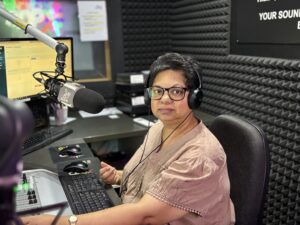
As a long-term interpreter, translator of the Sinhalese language and a community radio broadcaster, I’ve spent close to a decade navigating the nuanced space where language, culture and meaning intersect. I have seen how communication can become connection and understanding can transform lives.
My work has taken me through government departments, hospitals, legal courts, police interviews, trauma counselling rooms and migration services, to name a few. Each space has taught me something profound. When people cannot access or express themselves in their own language, they are often silenced, unseen and unsupported.
That’s why multicultural and multilingual broadcasting is not just a media service. It’s a form of cultural visibility. It’s public safety. It’s belonging. And it’s long overdue that we, as a nation, start recognising its true value.
Language is connection and protection
In medical settings, I’ve witnessed first-hand how critical accurate language interpretation can be. One misunderstood word in a diagnosis or treatment plan can have irreversible consequences. In the legal system, the difference between freedom and detention can hinge on how well someone’s statement is conveyed and understood.
Yet outside of these high-stakes environments, there’s another sphere where language holds immense power, media.
When people hear their language spoken with respect and clarity on the radio or in a podcast, it communicates more than information. It signals inclusion. It says: you matter here.
Community broadcasting gives voice to those who are often left out of mainstream narratives. It creates spaces where people are not only informed but seen, heard and empowered.
Media as a settlement tool
For newly arrived migrants and refugees, the early stages of settlement can be disorienting. Everything from public transport systems to health appointments can be unfamiliar and overwhelming. In these moments, multilingual media becomes more than just content. It becomes a compass.
Through culturally relevant programming and translated information, ethnic radio and digital platforms help people navigate daily life while staying connected to their heritage. It is a bridge between two worlds, the one left behind and the one being built.
As someone who’s helped countless families and individuals understand complex systems through interpreting, I can confidently say that community media plays a parallel role in translating the unspoken culture behind the words.
Children and the power of representation
Representation in media is especially critical for children growing up in multicultural households. When kids hear their language or culture reflected in public spaces, it affirms their identity. It tells them they don’t have to choose between cultures.
They can belong to both.
When I think back to the stories of migrants I’ve shared on air, I think of the children listening with their parents or grandparents connecting generations, creating dialogue and building confidence in who they are.
This kind of representation supports mental health, resilience and academic outcomes. It also benefits society as a whole, creating a more empathetic and cohesive population.
The unseen value of ethnic broadcasting
Multicultural media is often underfunded, under recognised and under utilised by sectors that would benefit immensely from it. Health campaigns, public safety initiatives and civic programs frequently overlook these channels, missing the opportunity to reach people in ways that are trusted, local and effective.
During the COVID-19 pandemic, this became starkly evident. Many in the multicultural media community stepped up rapidly, translating health advice, dispelling myths and providing reassurance in ways no centralised system could match.
And they did it not for profit, but for people.
The value of ethnic broadcasting cannot be measured only in audience numbers. Its true worth lies in the relationships it builds, the access it provides and the harm it prevents.
Multicultural media reaches beyond itself
What many don’t realise is that multicultural broadcasting doesn’t exist in isolation. It is a tool for meaningful cross sector collaboration and therefore, deeply connected to other sectors. Education, health, justice, settlement and community wellbeing, all benefit from it. It provides insight into the lived experiences of Australia’s diverse communities and can be a powerful tool for policymakers, educators and service providers.
Access to language is vital for a fair democracy. When election information is available in multiple languages, voters can understand their rights, participate with confidence and make informed decisions.
I’ve seen first hand the impact it has when constituents not only understand the process but also how to actively exercise their civic responsibility.
Want to know what’s important to your community? Listen to a broadcaster who speaks your language.
Want to design better refugee support services? Partner with the media voices those communities already trust.
As an interpreter and translator, I’ve always viewed my role as a bridge between people, institutions and meaning. As a broadcaster, I now see how media can be that bridge on a national scale.
Multicultural media creates space for deeper reflection on the role it plays in shaping an inclusive Australia. It’s for those of us behind the mic, but also for those in classrooms, clinics, council chambers and community centres.
Because at its core, multicultural media is not just about broadcasting. It’s about belonging. And when we make space for all voices, we don’t just hear more stories. We create a stronger, more connected society.
In a country of many languages, it’s time we all learned to listen more deeply. This is the place to start.
Pam Rajapakse
NAATI Certified Interpreter / Translator – Sinhalese Language
Broadcaster – Alive 90.5 FM
Leave a Reply